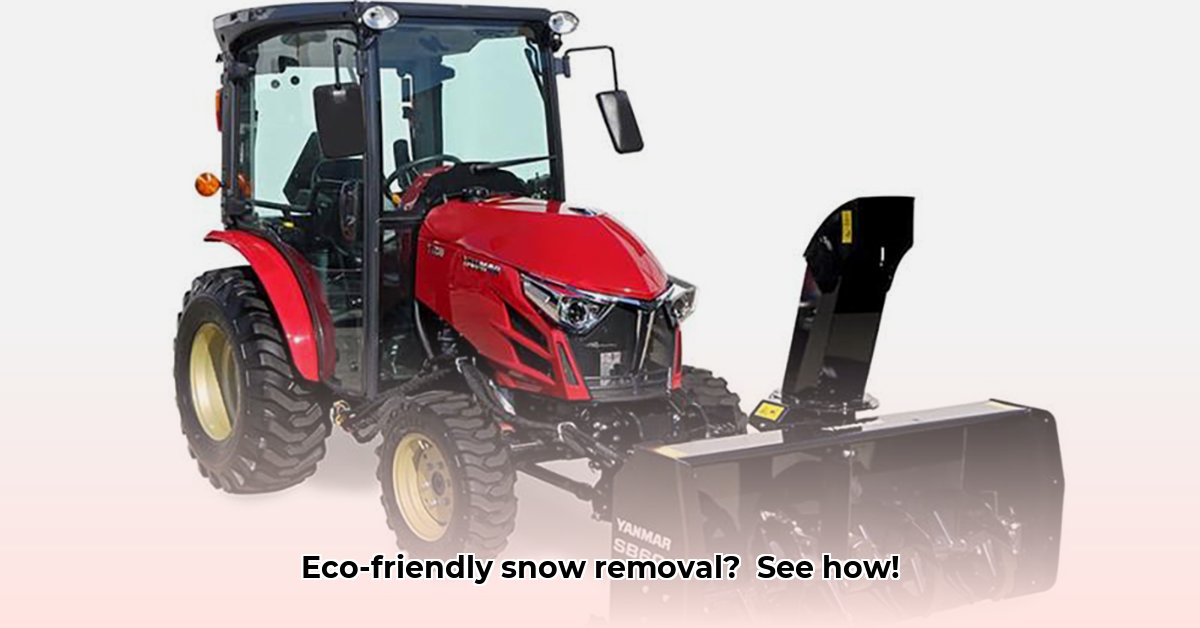
Choosing the Right Snowblower: Single-Stage vs. Two-Stage and Beyond
Efficient snow removal is critical for maintaining farm operations during winter. The choice between single-stage and two-stage snowblower attachments significantly impacts both efficiency and environmental impact. Single-stage blowers are ideal for light, fluffy snow on smaller areas, offering simplicity, ease of maintenance, and generally higher fuel efficiency. However, for heavier, wet snow or larger farms, a two-stage snowblower's superior power is necessary, despite higher fuel consumption and maintenance costs. For larger snow removal tasks, consider attachments like a tractor grapple bucket.
Before selecting a snowblower, consider these factors: typical snowfall amounts, farm size, budget, and ease of operation. Modern models often include adjustable chutes, enhancing versatility and effectiveness in varied landscapes. Balancing performance with practicality is key.
Minimizing Your Environmental Footprint: The Green Side of Snow Removal
Sustainable agriculture necessitates minimizing the environmental impact of all operations. Fuel consumption is a primary concern, with two-stage snowblowers generally consuming more fuel than single-stage models. Noise pollution is another factor impacting both the farm environment and surrounding communities. While modern machines are quieter, noise levels still merit consideration.
A snowblower's lifespan directly influences its environmental impact. Durable, repairable models reduce waste by minimizing the need for frequent replacements. Choosing models made from recycled materials or with easily replaceable parts further enhances sustainability. Investing in a higher-quality, longer-lasting snowblower offers both long-term cost savings and reduced environmental impact.
The Future is Now: Electric and Hybrid Snowblowers
Electric and hybrid snowblowers represent a pivotal shift toward sustainable snow removal. These technologies offer significantly lower greenhouse gas emissions and noise levels compared to gasoline-powered counterparts. However, current limitations exist. Electric snowblowers may have shorter runtimes and limited power in heavy snow conditions, while hybrids offer a compromise between performance and emissions.
A risk assessment comparing various technologies underscores the trade-offs:
| Technology | Pros | Cons |
|---|---|---|
| Electric Snowblower | Significantly lower emissions, quieter operation, reduced maintenance | Higher upfront cost, shorter operating time, reduced power in heavy snow |
| Hybrid Snowblower | Lower emissions, longer runtimes than electric | Higher initial cost than gasoline, potentially more complex maintenance |
| Gasoline Snowblower | Powerful, readily available, relatively low initial cost | Higher emissions, louder, more frequent maintenance required |
Ongoing technological advancements promise to enhance the efficiency and capabilities of electric and hybrid models, making them increasingly competitive in terms of both cost and performance. "The future of snow removal is undoubtedly greener," asserts Dr. Anya Sharma, Agricultural Engineering Professor at Cornell University.
Practical Steps for Sustainable Snow Removal
Sustainable snow removal extends beyond equipment selection. Implementing the following steps optimizes efficiency and minimizes environmental impact:
- Strategic Route Planning: Efficiently planned routes minimize travel time and fuel consumption. Prioritize high-traffic areas to maximize efficiency.
- Regular Maintenance: Preventative maintenance ensures peak performance, fuel efficiency, and extends equipment lifespan. A well-maintained snowblower requires less frequent repair.
- Appropriate Storage: Protecting the snowblower from the elements during the off-season extends its longevity, reducing waste and saving money. Regular inspections help prevent unanticipated damage.
- Consider Snow Depth: Avoid unnecessary passes. Monitor snow depth and adjust snow removal accordingly to save energy.
Navigating the Regulatory Landscape: Compliance and Best Practices
Regulations concerning snowblower emissions and noise levels vary by region. Familiarity with local laws ensures compliance and contributes to responsible farm stewardship. Staying updated on regulatory changes is critical for selecting and using compliant equipment.
By carefully considering snowblower type, environmental impact, and technological advancements, farmers can make informed choices that balance farm productivity with sustainability. This approach contributes not only to individual farm efficiency but also to broader environmental stewardship.